
Design Research in the fight against sex trafficking
A holistic redesign of the Solicitor Education Program (SEP) for a local nonprofit
Duration
1 year
Disciplines
- Experience Design & Strategy
- Generative Research
- Service Design
- Product Design
- Trauma-informed design
Tools
- Figma
- Miro
- Slack
- Zoom
- Google Sites
The Context:
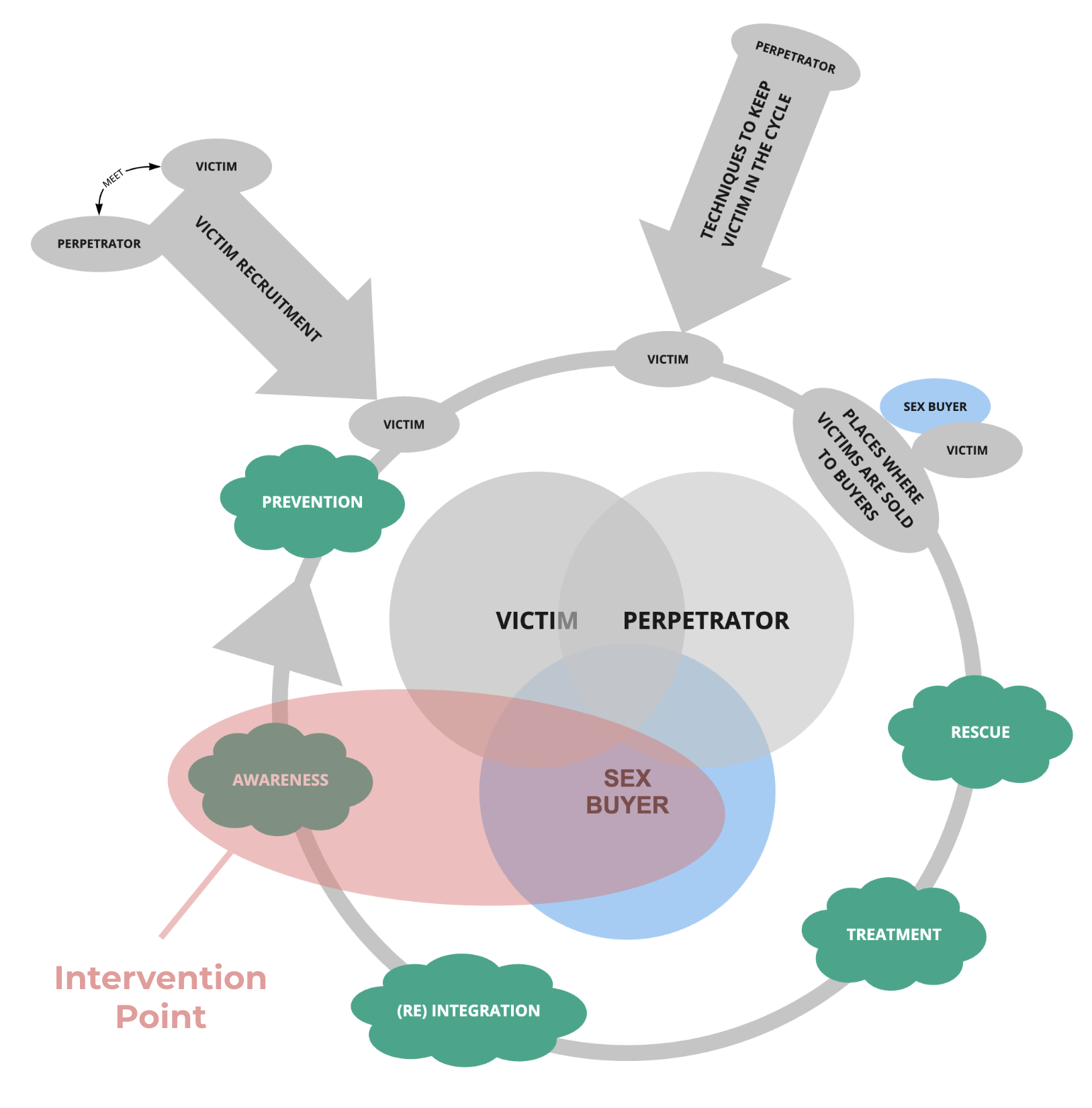
Defining the Ecosystem
She Has A Name (SHAN) is an Ohio-based nonprofit fighting human trafficking. Their Solicitor Education Program (SEP), often called “John School,” is a one-day diversion course for first-time sex buyers.
Their goal: Reduce demand by raising awareness and promoting behavior change.
TL;DR
Problem
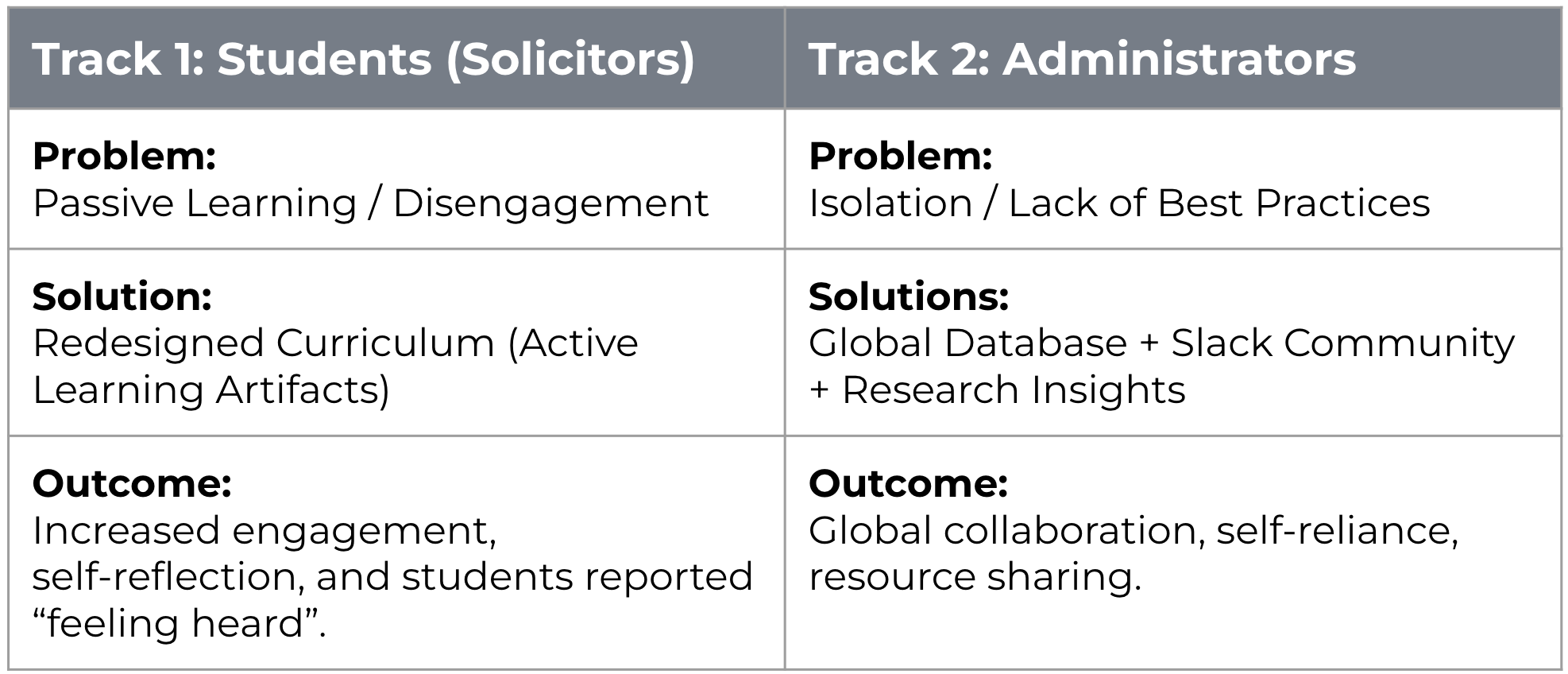
Dual-track problem: (1) Redesigning the SEP curriculum to convert disengagement into active learning, and (2) systematizing global best-practice sharing to scale SHAN’s impact.
My Role
Lead UX Researcher + Product Designer + Project Manager.
Outcome
Redesigned SEP from lecture-based to active learning; built self-serve admin tools (Google Sites database) and an online global community (Slack) to capture/share best practices.
Team
Core team (4+): Executive Director Courtney Schmackers, Program Director Katie Lee, Design Researcher Elizabeth Sanders, plus SHAN instructors.
Impact
Cut delivery time 8h → 6h with higher in-class engagement; qualitative feedback confirms students now feel “heard” and actively participate in self-reflection.
Timeline
1 year.
So What?
This project for the nonprofit She Has A Name (SHAN) demonstrates advanced problem-solving by navigating the “Fuzzy Front End” of complex social issues. Rather than simply designing an interface, this initiative involved redesigning a trauma-informed educational curriculum and establishing a global administrative infrastructure to ensure long-term operational sustainability and demand reduction.
Constraints
Severe staff and budget limits required improving outcomes within a single-day format.
SUMMARY OF DESIGN INTERVENTIONS
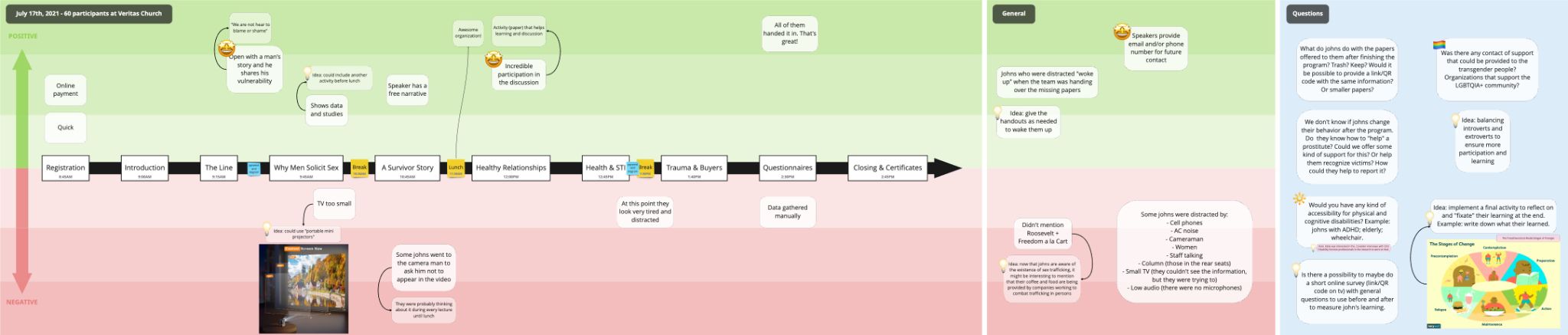
Discovery: Validating the Barrier to Change
Interviews and contextual inquiry validated what wasn’t working:
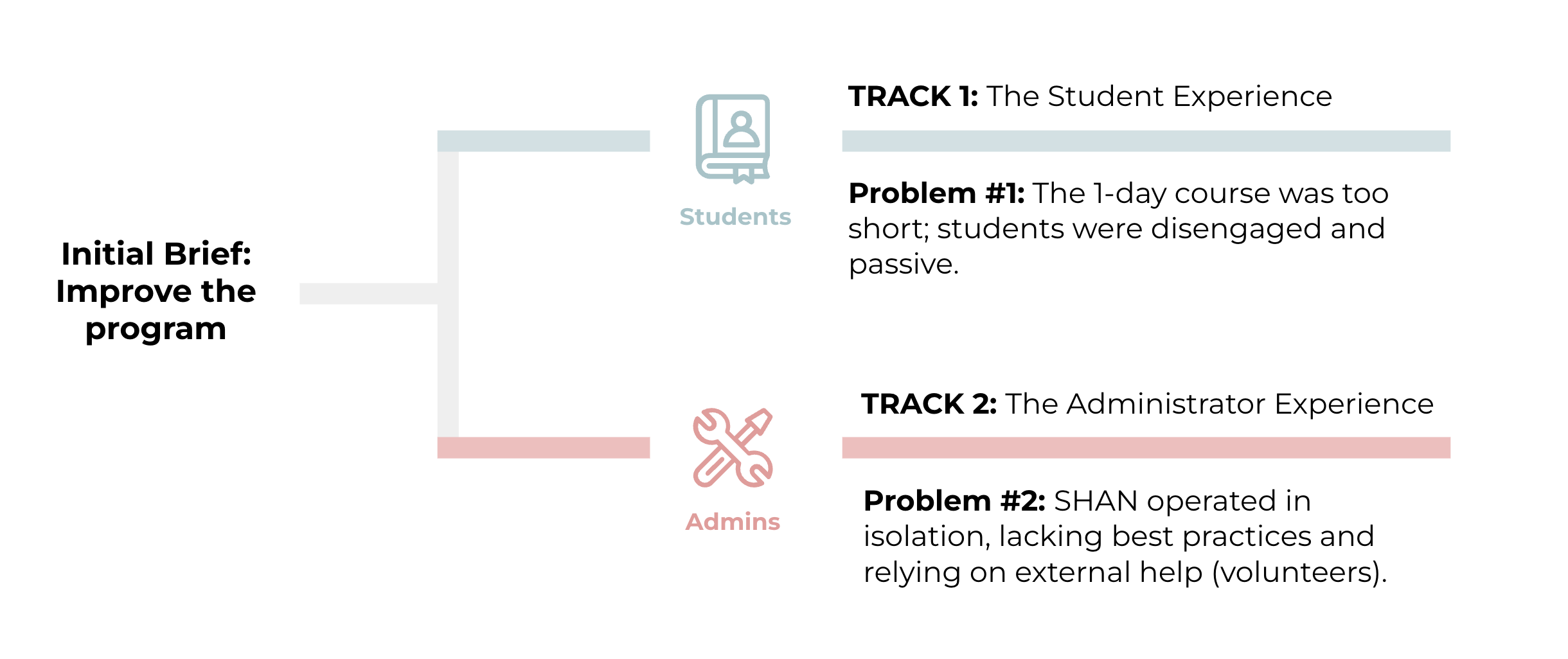
Class failure: The 1-day course was too short to foster meaningful behavior change. Students were passive, bored, and disengaged during lectures.
Organizational Silo: SHAN lacked a clear understanding of global best practices and had no way to connect with other programs.
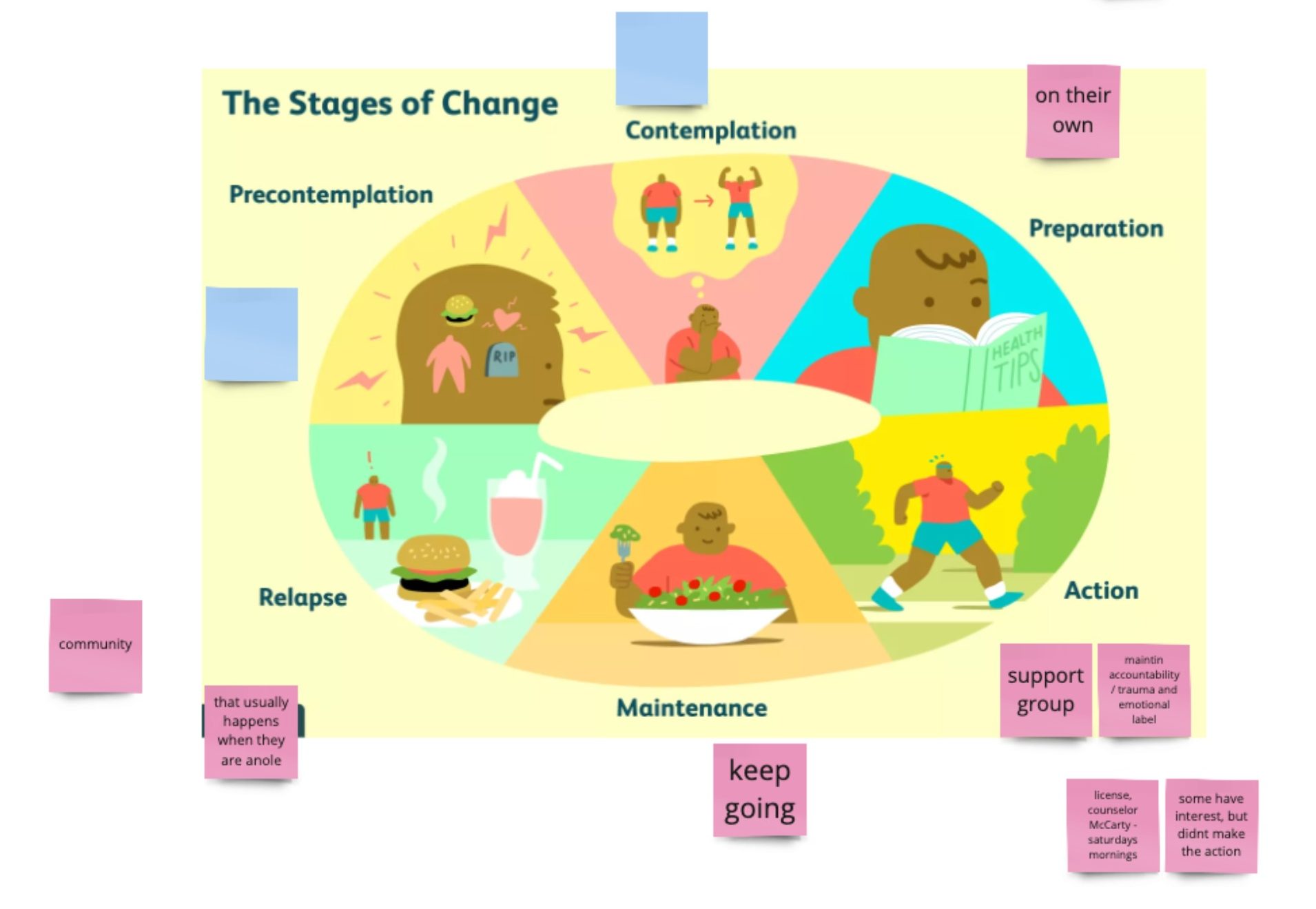
A Fork in the Road
Initial research revealed 2 different root problems requiring separate user journeys.
Moving from passive listeners to active participants.
Target User: First-time sex buyers (Diversion Program).
The Challenge: Lecture-heavy formats caused “disengagement.” The 8-hour format was exhausting, reducing the likelihood of behavior modification.
Process: Agile Co-design, by collaborating with SHAN directors (Courtney and Katie) and a Design Researcher (Elizabeth) to shift the curriculum content.
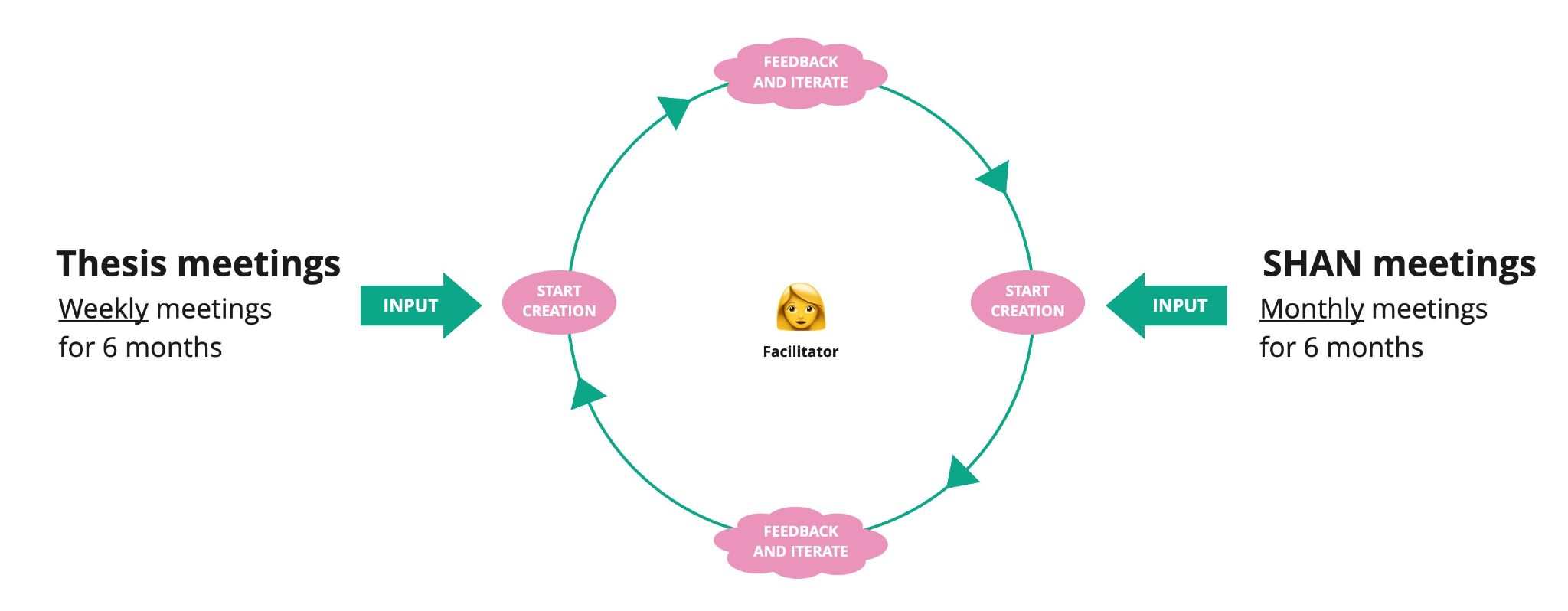
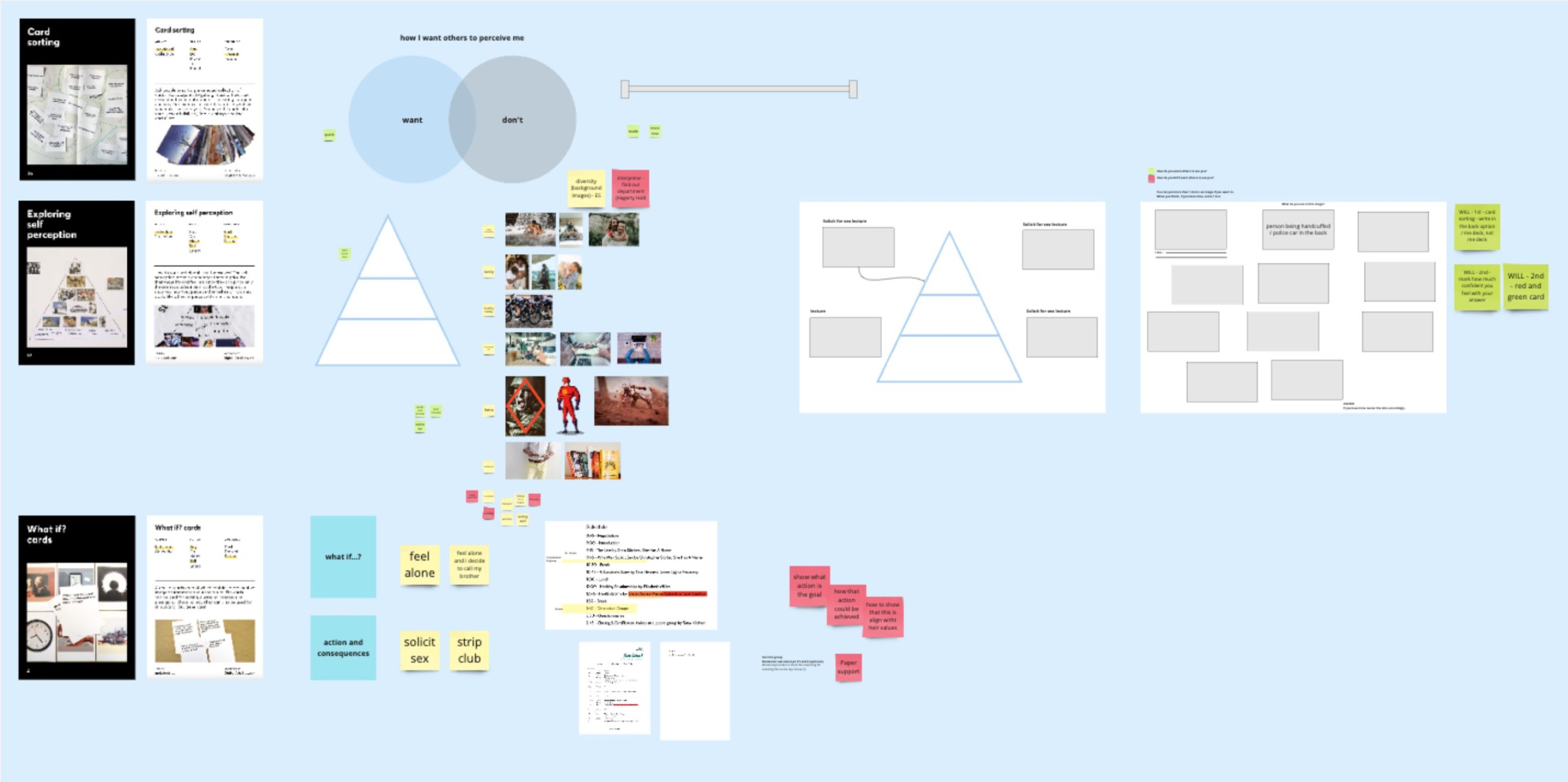
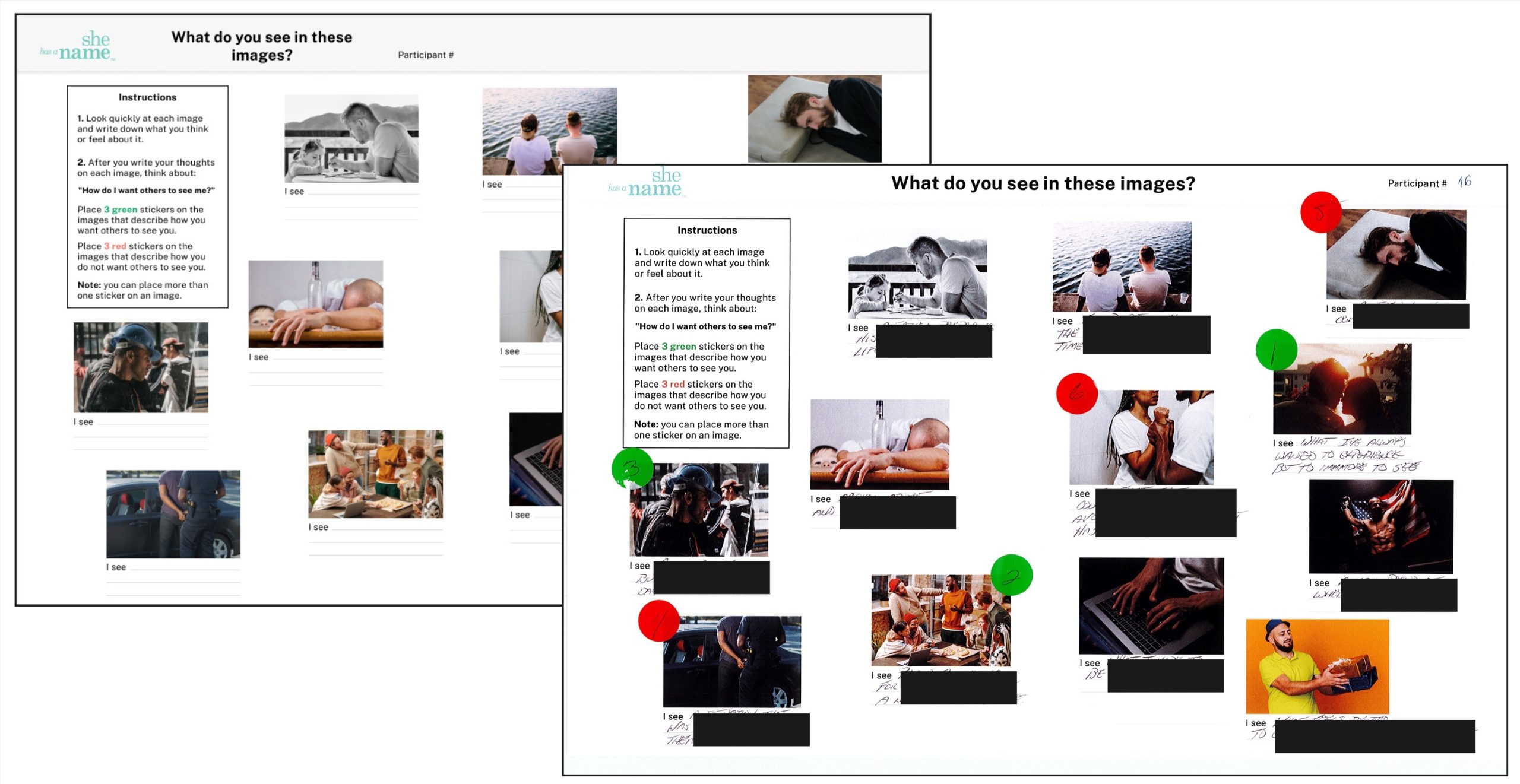
Tools designed to enforce self-reflection and break down defense mechanisms.
Activity 1: Exploring Self-Perception
Activity 2: What-if Cards
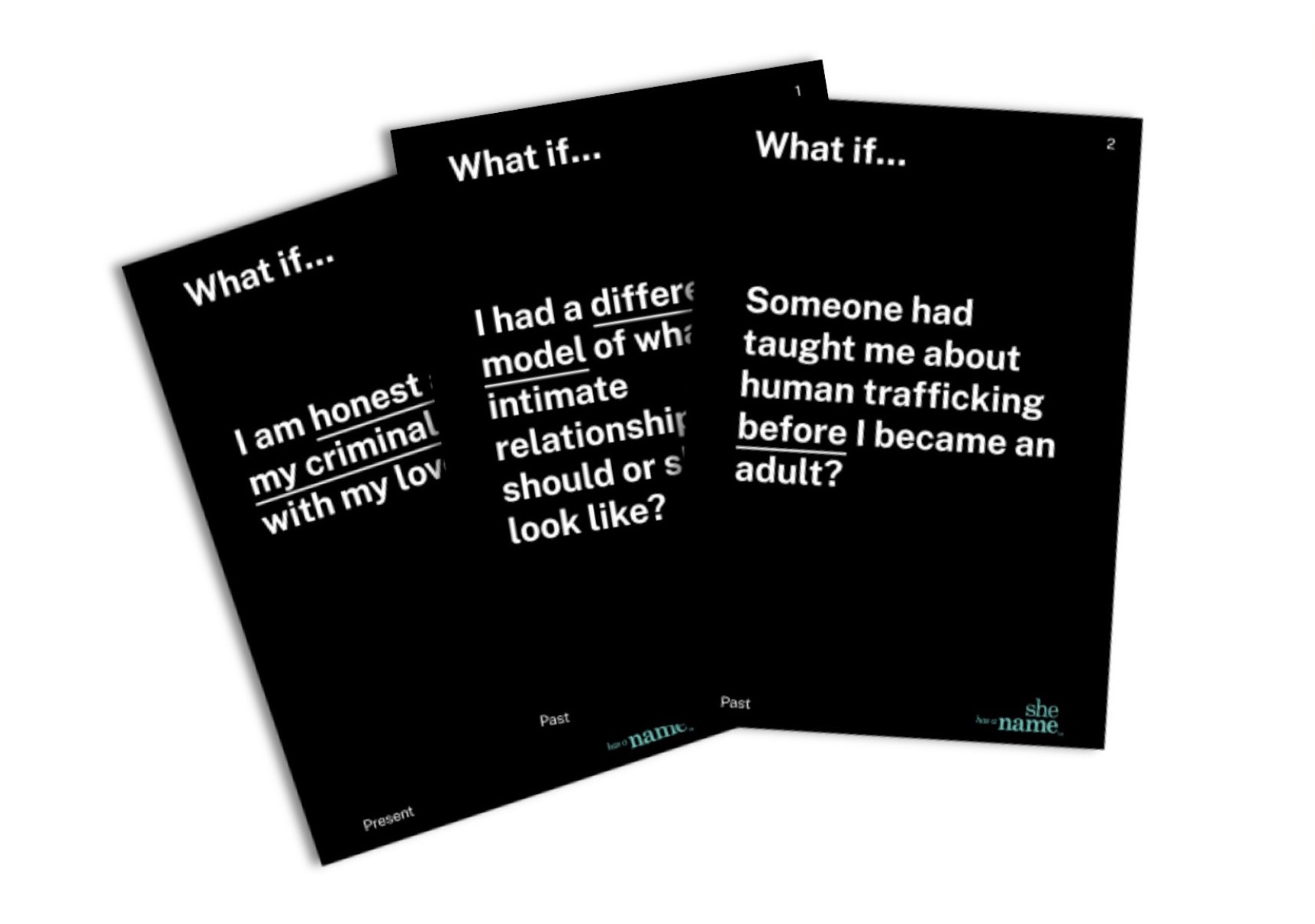
Track 1: Impact of the Program Redesign
For the first time, students reported “feeling heard.”
Active Learning
Shifted from 8 hours of lectures to 6 hours of dynamic, participatory workshops.
Engagement
New activities required participation, reducing fatigue and disengagement.
Legacy
The ‘Self-Perception’ and ‘What-If activities remain core to the SEP curriculum today.
“students found that meaningful”
“We were actually pulling out those activities during breaks… reflecting on and interacting with them. The fact that students found that meaningful, and that’s what they are spending their free time on (during breaks), I think, is really strong. In my experience in the John School, this is a really large vote of confidence that the design process worked.“

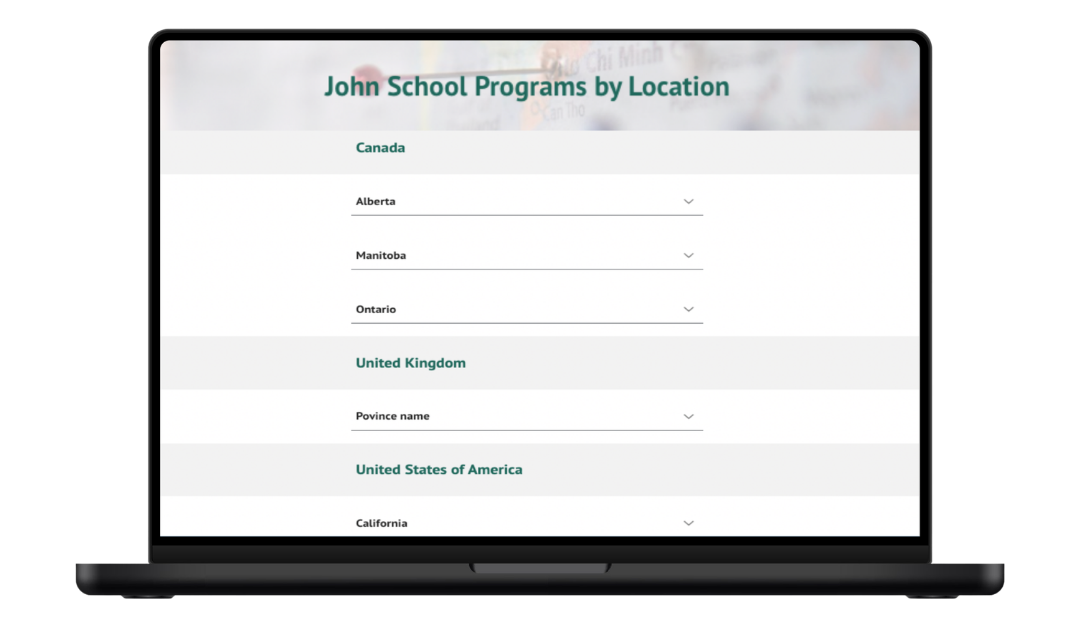
the global database
This living resource tracks Solicitor Education Programs (SEP) across the globe. Originally developed as a prototype covering the US, Canada, and the UK, this centralized digital repository is now being integrated as a permanent feature on the SHAN website.
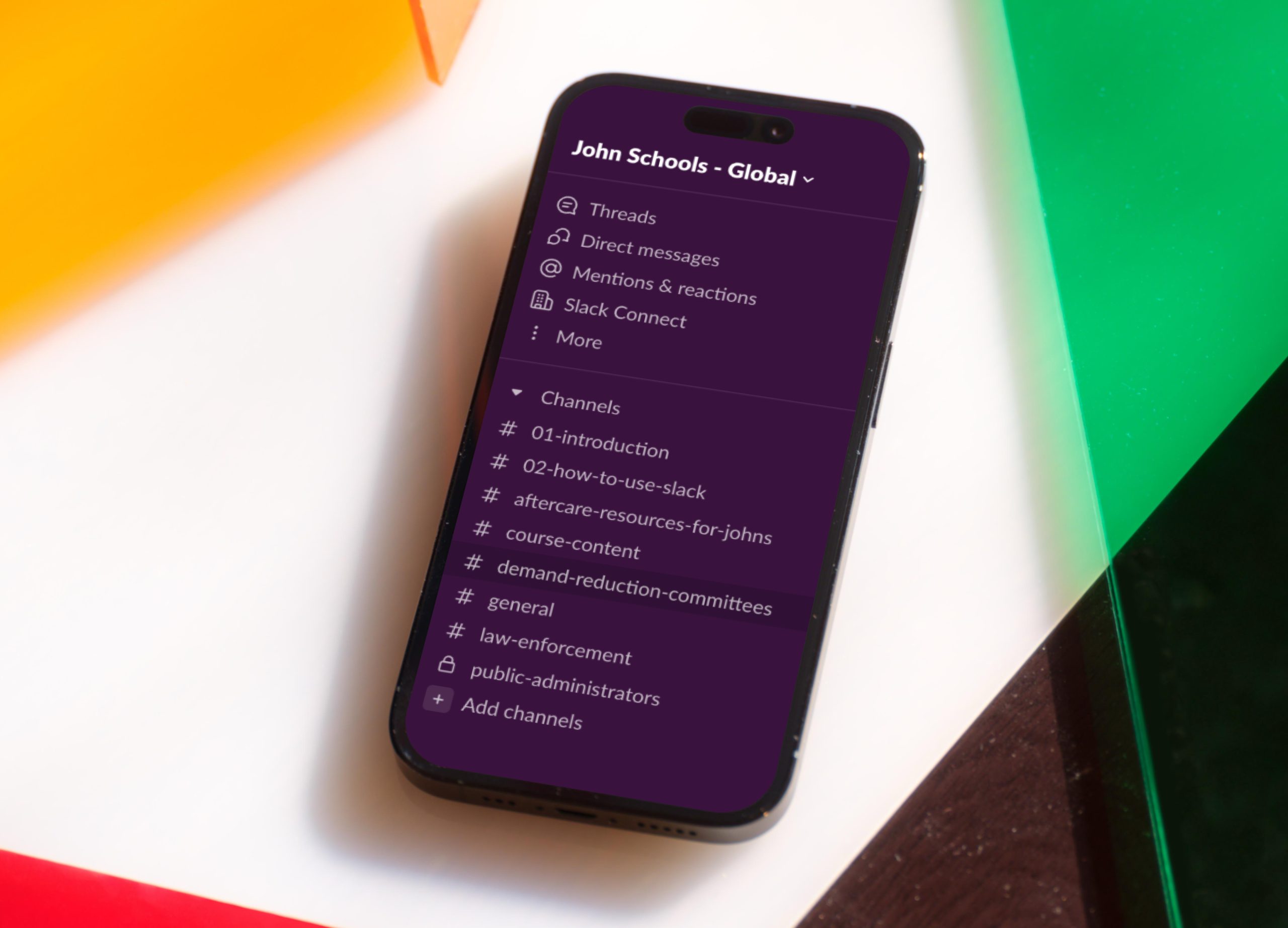
a secure community for admins
This living resource tracks Solicitor Education Programs (SEP) across the globe. Originally developed as a prototype covering the US, Canada, and the UK, this centralized digital repository is now being integrated as a permanent feature on the SHAN website.
actionable insights
Qualitative interviews with global administrators were converted into downloadable product features.
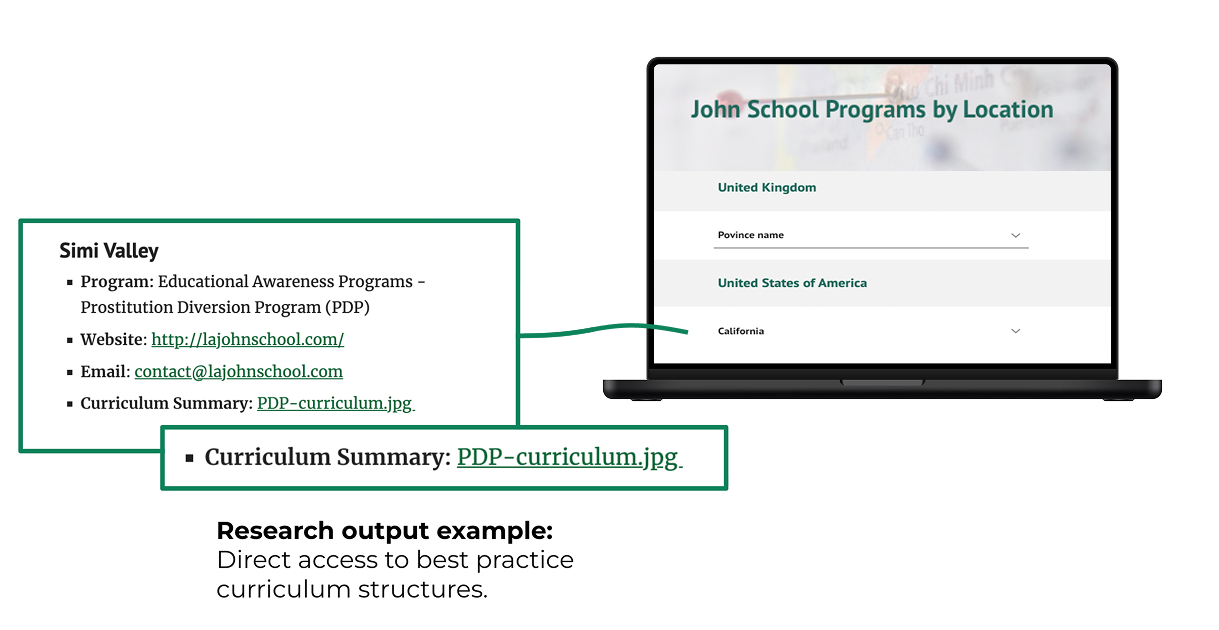
Track 2 Impact:
Administrator Outcomes
Self-Reliance
SHAN no longer depends on external volunteers to gather intelligence.
Network Effects
Practitioners from the US, UK, and Canada are actively sharing real-time knowledge.
Future Proofing
“Tools are currently being used to support SHAN and other programs in staying up to date.
“We all now feel more confident”
“Having Natalia with us throughout that transition helped to make it a much smoother process, and one in which we knew we had support from someone who was thinking through this critically with us. […] We all now feel more confident in administering the program, and we know that we’re on track with our goals to make this a more engaging experience. That’s really a trauma-informed for everyone who participates.”
Key Takeaways
Co-Design Impact
Partnering WITH stakeholders instead of working FOR them ensured goal alignment and created the ownership necessary for successful adoption..
Communication Adaptability
Translating complex UX research concepts for non-tech audiences was critical for securing buy-in and ownership.